FeLV Education Resource Hub
Feline Leukemia Virus (FeLV): A Complete Guide for Pet Owners, Adopters, and Caregivers
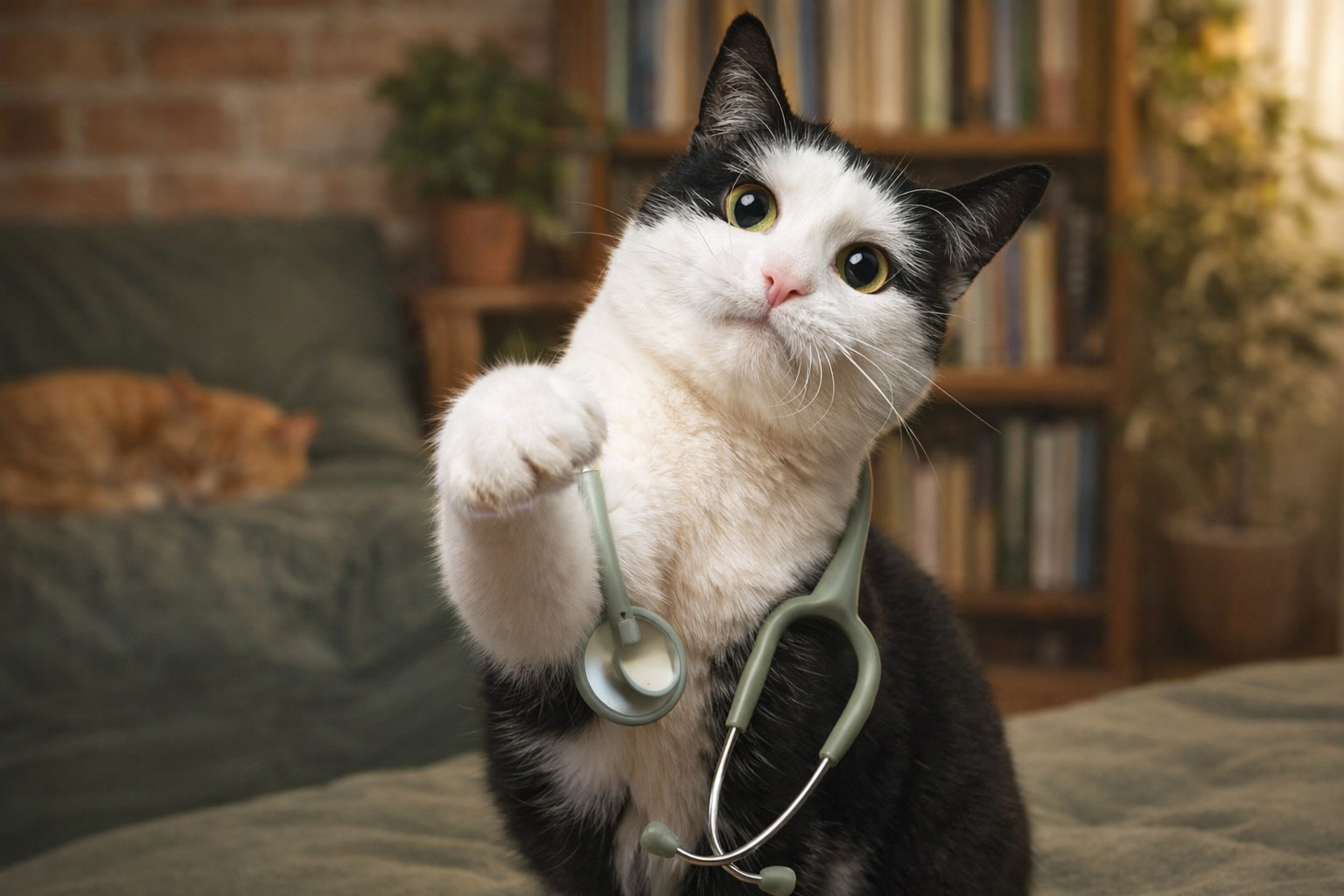
Evidence-based information guided by current recommendations from the American Association of Feline Practitioners (AAFP)
What is FeLV?
Medical Overview
FeLV is a retrovirus that integrates into a cat’s DNA and can lead to immunosuppression, anemia, and neoplastic disease. Disease progression varies depending on the host immune response.

In simple terms
It weakens a cat’s immune system
They’re more likely to develop secondary infections like upper respiratory infections, urinary tract infections, and skin issuesSome cats get sick, others stay stable for years
An FeLV diagnosis doesn’t look the same for every catNot every FeLV-positive cat has the same outcome
Some cats live long, comfortable lives with minimal issuesWith proper care, many live happy, comfortable lives
Meaning good nutrition, regular vet care, and a low-stress environment make a big difference
How is FeLV transmitted?
Medical Overview
FeLV is primarily transmitted through close, prolonged contact with infected cats. The virus is shed in saliva and, to a lesser extent, in other bodily fluids.
Transmission most commonly occurs through social behaviors such as grooming or sharing resources. Bite wounds and vertical transmission from an infected mother to her kittens are also recognized routes.


In simple terms
Spread through close contact between cats
Cats that live together, groom each other, or share space are at higher riskPassed through saliva (most commonly)
Grooming, sharing food/water bowls, or licking can spread it over timeRequires prolonged exposure
It’s not easily spread through brief or casual contactCan be passed from mother to kittens
Kittens born to an FeLV-positive cat are at higher risk of infectionBite wounds can transmit the virus
Outdoor cats or cats that fight have higher risk
Understanding FeLV Infection Types
Not all FeLV infections behave the same. Outcomes depend on how a cat’s immune system responds after exposure.

Progressive Infection
Medical Overview
Persistent viremia with ongoing viral replication. The virus remains active in the bloodstream and bone marrow, leading to immunosuppression and increased risk of FeLV-associated disease.
In simple terms
The virus stays active in the body
The immune system is not able to control itHigher risk of illness over time
These cats are more likely to develop infections, anemia, or certain cancersMore likely to shed virus
They can more easily transmit FeLV to other cats

Regressive Infection
Medical Overview
Initial viremia is controlled by the immune system, resulting in suppression of viral replication. Proviral DNA remains integrated within host cells, but circulating antigen is typically absent.
In simple terms
The immune system suppresses the virus
The virus is still in the body, but not actively causing problemsOften no outward symptoms
Many of these cats appear completely healthyLower risk of spreading the virus
Transmission is much less likely compared to progressive infectionCan reactivate in rare cases
Illness or stress could allow the virus to become active again

Abortive Infection
Medical Overview
An effective immune response eliminates the virus before persistent infection is established. These cats do not become viremic and will test negative on standard antigen testing.
In simple terms
The cat successfully fights off the virus
The infection never fully takes holdTests negative after exposure
They do not carry or spread the virusNo long-term infection
These cats are not considered FeLV-positive
FeLV Testing: Let’s Break It Down
Because one test doesn’t always tell the whole story
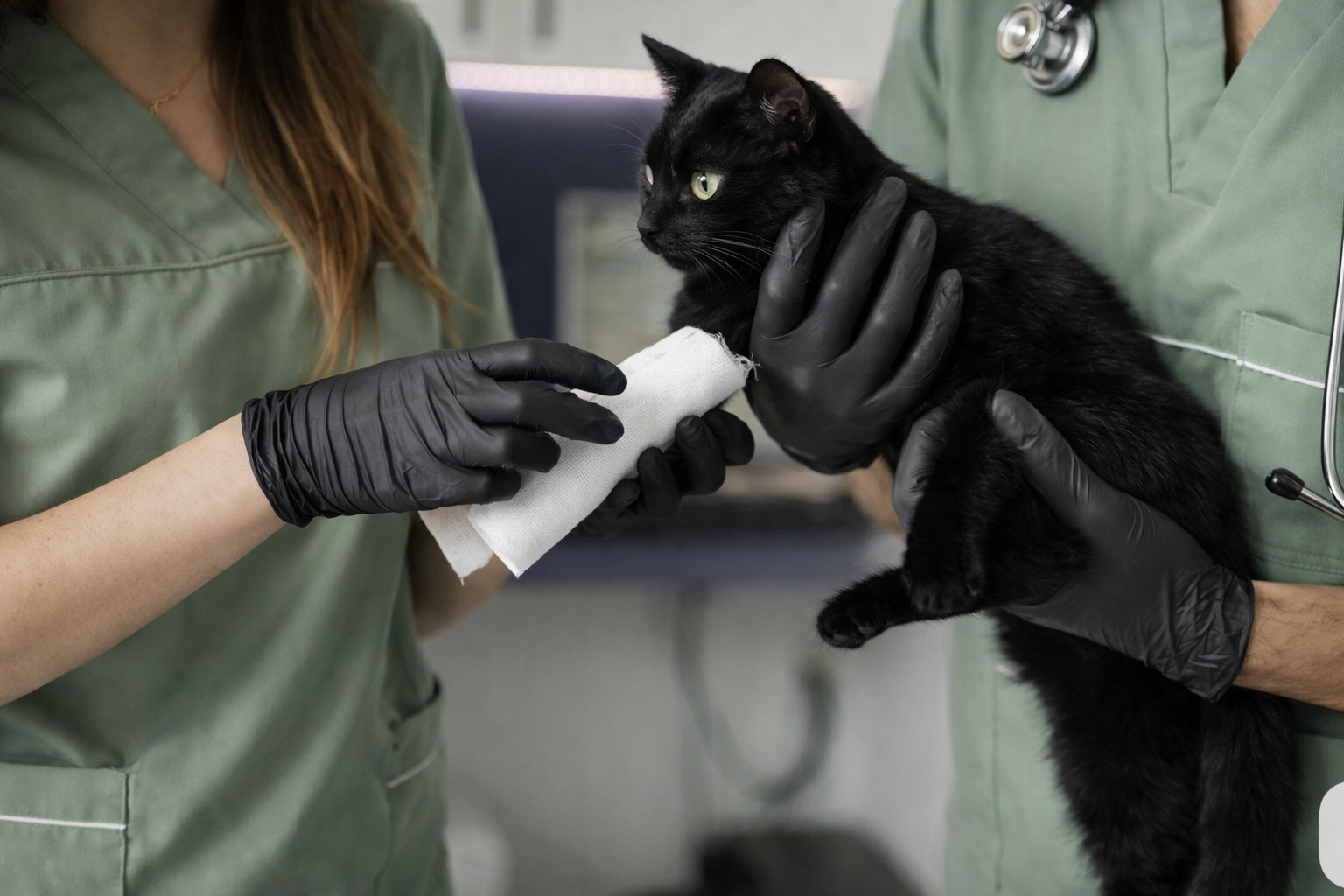
FeLV Testing & Interpretation
Medical Overview
FeLV diagnosis is not based on a single test result, but on timing, exposure risk, and repeat testing. Antigen testing (SNAP/ELISA) detects active viremia, while PCR detects proviral DNA. Because FeLV infection progresses through different stages, results may change over time, particularly in recently exposed cats.
Accurate diagnosis requires an understanding of when to test, when to retest, and how to interpret results in context.
Types of Testing
SNAP (ELISA) — Screening Test
Detects circulating FeLV antigen (p27), indicating active infection.
First-line, in-clinic test
It’s the standard starting pointDetects contagious cats
Cats actively shedding virus will test positiveMay be negative early after exposure
Timing matters
PCR — Advanced Testing
Detects FeLV proviral DNA integrated into host cells. PCR may identify infection in cats that are not actively viremic (such as regressive infections), but results must be interpreted alongside antigen testing and clinical context.
Looks for the virus at the DNA level
It can detect FeLV even if it’s not actively circulating in the blood
Can identify regressive infections
The virus may be controlled and not causing active disease
Helpful when results don’t match
It helps clarify confusing or conflicting results
Doesn’t always mean the cat is contagious or sick
A positive PCR doesn’t automatically equal active infection
Not used as a first-line screening test
It supports other tests, it doesn’t replace them
Timing Matters More Than Age
Medical Reality
FeLV antigen may take ~30 days or longer after exposure to become detectable.
In simple terms
You can test anytime
There’s no “too young” ageBut you can test too early after exposure
A negative today doesn’t rule out exposure yesterday30 days is the key retesting window
That’s when results become more reliable
FeLV Testing in Kittens
In simple terms
You can test kittens right away
No need to wait for a certain ageA negative doesn’t always mean “safe” yet
It could be too earlyRetest in 30 days
That’s your clearer answerSome kittens fight it off completely
They never become truly infected
Medical Overview
Kittens can be tested at any age using antigen testing, as results are not affected by maternal antibodies. However, early testing may not detect recent infection. Retesting is recommended in kittens with unknown history or exposure risk.
Some kittens may mount an effective immune response and clear the virus (abortive infection), which is not related to maternal antibodies.

Stray or Newly Acquired Cats
Best practice
Test immediately
You get a starting pointAssume recent exposure is possible
Their history is unknownSeparate from other cats
Prevent potential spreadRetest in ≥30 days
Confirm their true status
Mixed Results in the Same Household
Medical Overview
When one cat tests positive and another tests negative, both results should be interpreted cautiously. The negative cat may be in the incubation period, and the positive result should be confirmed.
In simple terms
Don’t assume the negative cat is in the clear
It may be too early to detect infectionConfirm the positive result
Repeat testing or send out confirmationSeparate the cats
Prevent further exposureRetest the negative cat in 30 days
That’s when you’ll know more for sure
Step-by-step
Confirm the positive (repeat SNAP or PCR)
Separate cats (no shared bowls/litter)
Retest negative cat ≥30 days
Reassess long-term plan
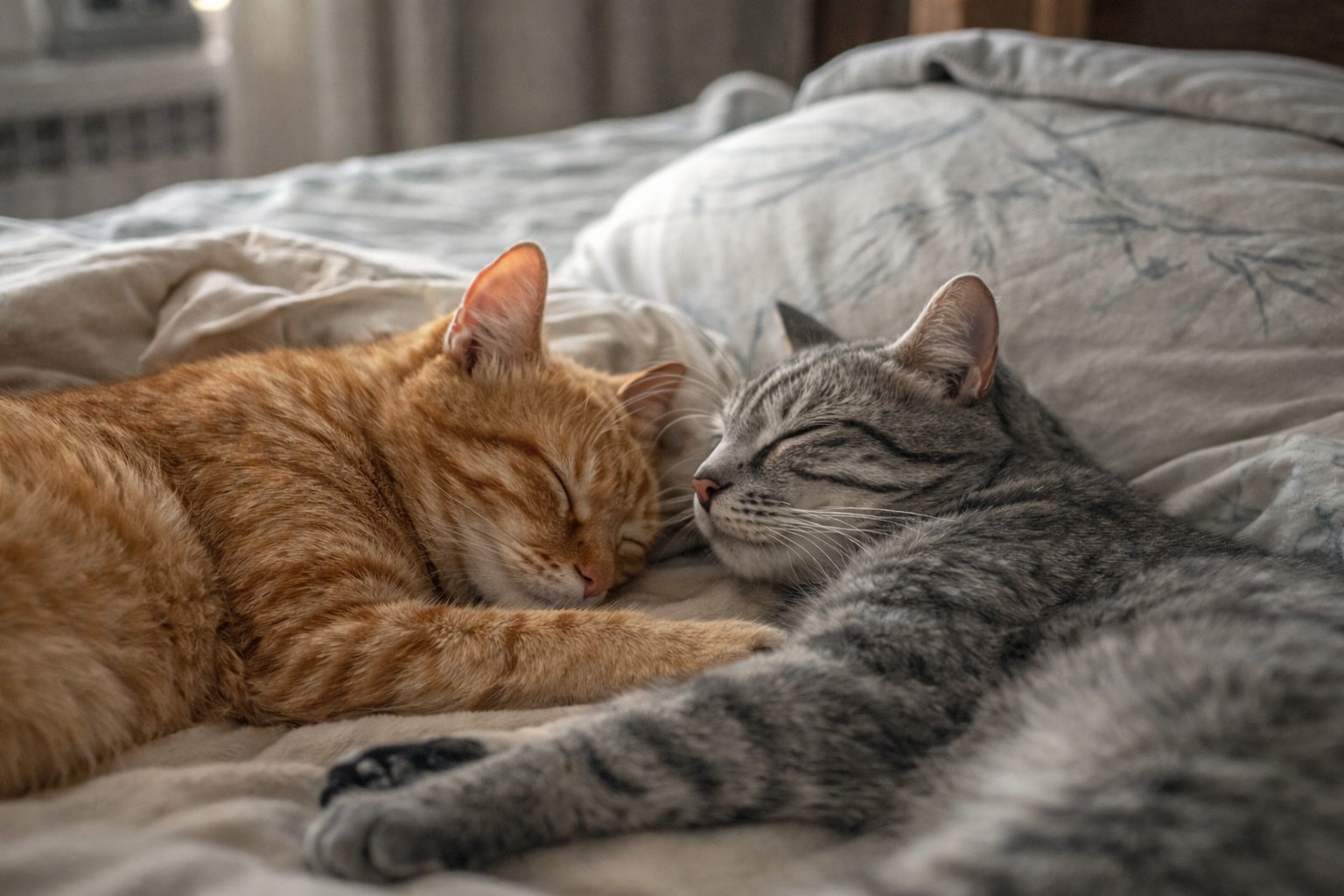
Care & Management
With the right environment and routine care, many FeLV-positive cats live comfortable, fulfilling lives.

Daily Care & Environment
Medical Overview
AAFP guidelines recommend that FeLV-positive cats be maintained in a low-stress, indoor environment to reduce exposure to infectious agents and support immune function.

In simple terms
Indoor-only lifestyle
Low-stress environment
Stability and routine help support their immune systemGood nutrition
A balanced, high-quality diet helps keep them strong
Veterinary Monitoring
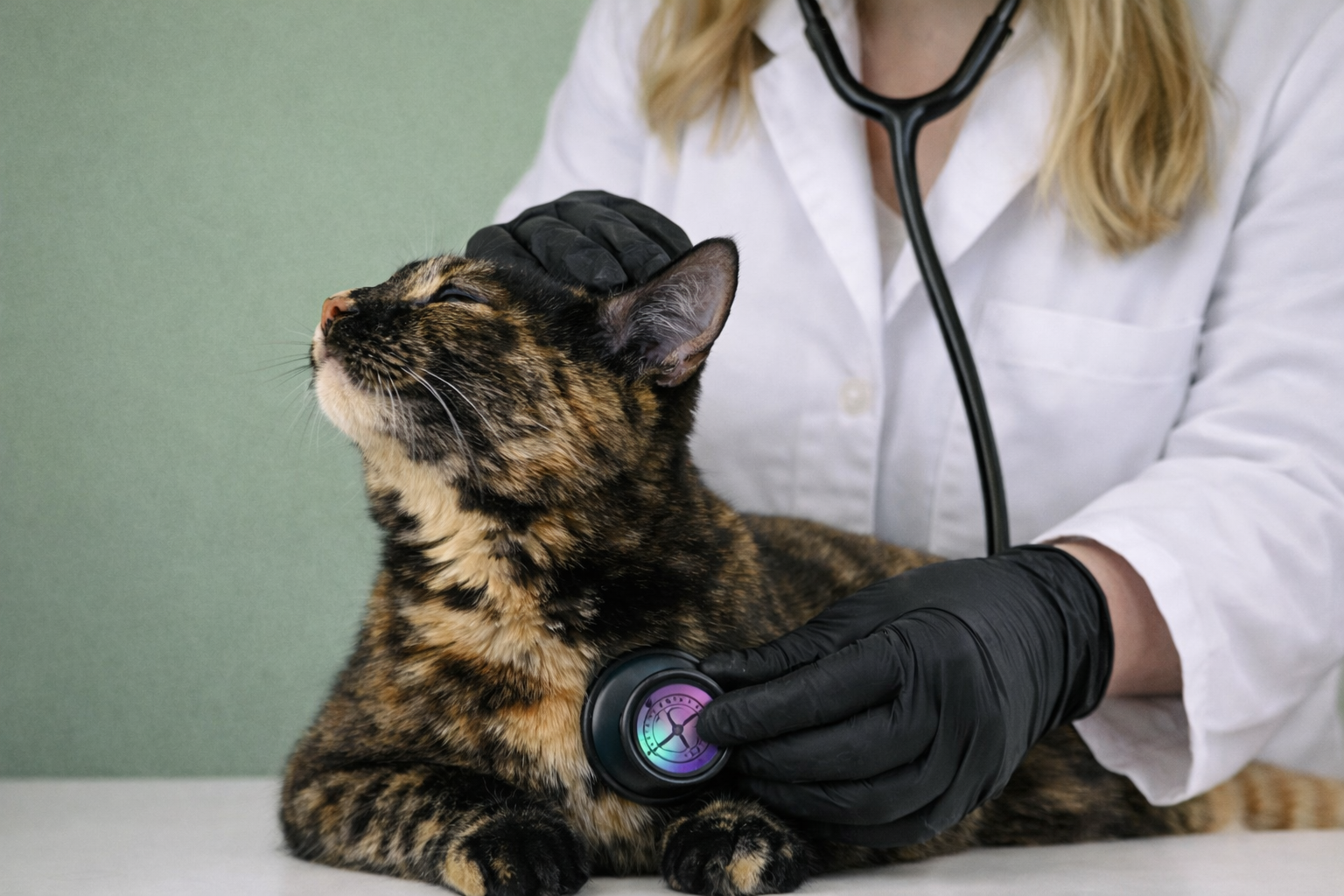
Medical Overview
Regular veterinary evaluations are recommended to monitor for secondary infections, hematologic changes, and early signs of FeLV-associated disease.
In simple terms
Regular vet visits
Catching issues early makes a big differenceRoutine bloodwork
Monitoring for anemia or other changesPrompt treatment of illness
Even small symptoms should be taken seriously
Preventing Transmission to Other Cats
Medical Overview
FeLV is commonly transmitted through close, prolonged contact between cats. Because the virus is primarily shed in saliva, behaviors such as mutual grooming, sharing food and water bowls, and living closely together play a significant role in transmission.
For this reason, FeLV-positive cats should be housed separately unless all cats in the household are confirmed positive, or if strict delegation is obtainable.
In simple terms
FeLV is often called the “love disease”
It spreads through close, affectionate behaviors like grooming, sharing bowls, and living closely togetherAvoid mixing with FeLV-negative cats
This helps prevent spreading the virus to healthy catsNo shared bowls or litter boxes in mixed households
Shared resources increase risk when cats spend a lot of time together, even if housemates are vaccinated against FeLV.FeLV+ cats can live together safely
They can thrive in FeLV-only homes, or by maintaining a cat room that allows for strict separation of FeLV + and FeLV- cats




Did You Know?
Cat rooms and dedicated cat spaces are becoming more popular? Think cozy TikTok setups with cat trees, window perches, and aesthetic little nooks. This idea can actually make it possible to have both FeLV+ and FeLV- cats in one home. As long as strict separation is maintained, separate rooms, catios, or designated areas with no shared food, water, or litter, many homes can safely care for both!
Just….. A Cat
A Normal (and Slightly Chaotic) Life
Medical Overview
While FeLV affects the immune system, many cats maintain a good quality of life for extended periods with appropriate care, monitoring, and a low-stress environment. Clinical signs can vary, and flare-ups are often manageable when addressed early.
In simple terms
They’re still… cats
They’ll knock things off shelves, get the zoomies at midnight, and yell at you for food like nothing is wrongSame personalities, same chaos
FeLV doesn’t take away their quirks, playfulness, or ability to bondFlare-ups can happen, especially with stress
Things like upper respiratory signs or lethargy may come and goMany issues can be monitored at home
Small changes don’t always require panic but appetite and behavior is keyIf they stop eating, become lethargic, or look to have pale gums, that’s when we step in
Loss of appetite, lethargy, or abnormal behavior is your signal to seek veterinary careThey are not “already dying”, they are not already a “lost cause”.
Many FeLV+ cats live happy, meaningful lives. This diagnosis is not an immediate end

The reality
FeLV+ cats aren’t fragile glass. They’re the same mischievous, affectionate, snack-obsessed little weirdos, they just need someone paying a bit closer attention.